Published Sun 2026-02-01
Last updated Sun 2026-07-26
Trigger warnings: isolation; mental health struggles.
Autism & Me: Masking, Misunderstanding, and the Long Road to Diagnosis
Autism Spectrum Disorder (ASD) affects how individuals perceive the world and interact with others. It's important to understand that autism is not a simple scale from mild to severe; rather, it shows up in unique ways for everyone. Some people require extensive support, such as struggling with speech or experiencing developmental delays. Others—like me—may have typical intellectual and speech abilities but still face challenges with social interactions, have highly focused interests, or communicate in a way that sounds quite distinctive (often more formal). Furthermore, the way autism presents itself can change over time and vary according to a person's circumstances. No matter where someone falls on the spectrum, there are almost always areas in which they need help.
In this article, I offer my experiences as a case study. I aim to give people insight into what it’s like to be autistic. While my experiences are personal, many autistic people, or those who suspect they may be autistic, will probably find they can relate.
Table of Contents
- Autism & Me: Masking, Misunderstanding, and the Long Road to Diagnosis
- How I Realised I Might Be Autistic
- Early Friendship Difficulties
- Teenage Isolation
- Lonely Today
- When I Finally Realised I Might Be Autistic
- Seeking a Diagnosis
- Initial Consultation
- So You’re Thinking of Going Private?
- High Autism Score Online
- Before the Assessment
- The Big Day
- Reflecting on the Diagnostic Journey
- Social Struggles and Feeling Like an Outsider
- Anxiety and Emotional Struggles
- Routines, Sensory Issues, and Comfort Zones
- Communication and Thinking Differences
- Overthinking
- Understanding Unspoken Social Rules & Literal Thinking
- Difficulty Reading Social Cues and Emotions
- Acceptable Language and Opinions
- Reciprocal Conversation and Group Interactions
- Difficulties with Written and Indirect Communication
- Communication Style and Self-Expression
- Stimming and Unconscious Movements
- Special Interests and Dressing Differently
- Conclusion: Understanding Autism and How You Can Help
- Educational Resources and Support
How I Realised I Might Be Autistic
Early Friendship Difficulties
I was only recently diagnosed with autism, but looking back, I can see it has influenced my entire life. Making friends has always been difficult for me. When I was younger, up until about thirteen, I usually had only one or two friends; I would have one friend and then it would change to another. I never went out in groups or went to many parties. As I entered my teenage years, these early challenges deepened, which gradually led to a growing sense of isolation.
Teenage Isolation
During my teenage years, the initial struggles with making friends evolved into profound loneliness. From the second half of Year 9 until university, I didn't have any friends. By Year 12, this lack of friendships started to have a serious negative effect on my mental health, but I tended to blame other people for it, thinking they had just formed their own cliques and it wasn't my fault. I also began to experience the early stages of depression that would continue to trouble me during university. I set a lot of hopes on university changing things for me. I thought it would be a great chance to finally make friends and maybe have my first girlfriend since everyone was starting again with no existing friendships (nobody knew anybody else).
Unfortunately, my social experience at university wasn’t what I had hoped for either, nor was it a typical experience. I really tried to make friends but ended up with just two by the time I graduated, one of whom I had already known before university, though we weren't that close back then. Many of the relationships I tried to form ended very negatively, with people either actively avoiding me or making it clear as crystal that they did not prefer me. Even though I had difficulty with social situations, I was still able to finish university and get a law degree.
These experiences set the stage for the social challenges I continue to face today.
Lonely Today
These feelings of isolation did not vanish after adolescence—instead, they have continued to shape my adult life. Now I lead quite a sheltered life and I don’t have any social contact outside of online interactions (not entirely by choice). So far, I’ve never had a proper romantic relationship, just a single long-distance one that didn’t last more than a few months, and I’m still a virgin in my thirties. Starting a family is one of my aspirations, but I actively try not to think about dating too much. The fact that I couldn’t date despite my best efforts was a major source of depression during my teenage years, so I now focus on what I can achieve on my own in one lifetime.
Despite my best efforts, social difficulties have persisted. However, after a particularly painful incident, I began questioning whether there was a deeper reason behind my struggles.
When I Finally Realised I Might Be Autistic
Following a misunderstanding, I suffered a psychological blow that has both devastated me and left lasting scars. I really can’t emphasise enough how deeply painful it has been and continues to be. I’ve written about it in a separate article HERE. If you're interested in reading a first-hand account of how someone on the autism spectrum struggles with social interactions, I encourage you to check it out. I’ve also discussed my attempts at receiving mental health support following the incident HERE.
Some time after that, I started writing a script for a YouTube video to share my experience (which ultimately became the article I linked above). My best friend kindly proofread it for me, and during a discussion, he brought up my neurodivergence. At first, I was confused—I had always assumed my difficulties were caused solely by a lack of quality social interactions during my youth. Looking back, I see how misguided this was, since the lack of social interaction was probably caused by my neurodivergence.
Nevertheless, I researched neurodivergence on the NHS website and found that the signs of autism matched my experiences in life very closely. I printed a list of signs and filled it in as if it were a questionnaire. I asked a few family members to do the same on my behalf, to gain a more objective perspective (hence the three columns). The results were quite clear: everyone agreed that I strongly exhibited many of the signs of autism.
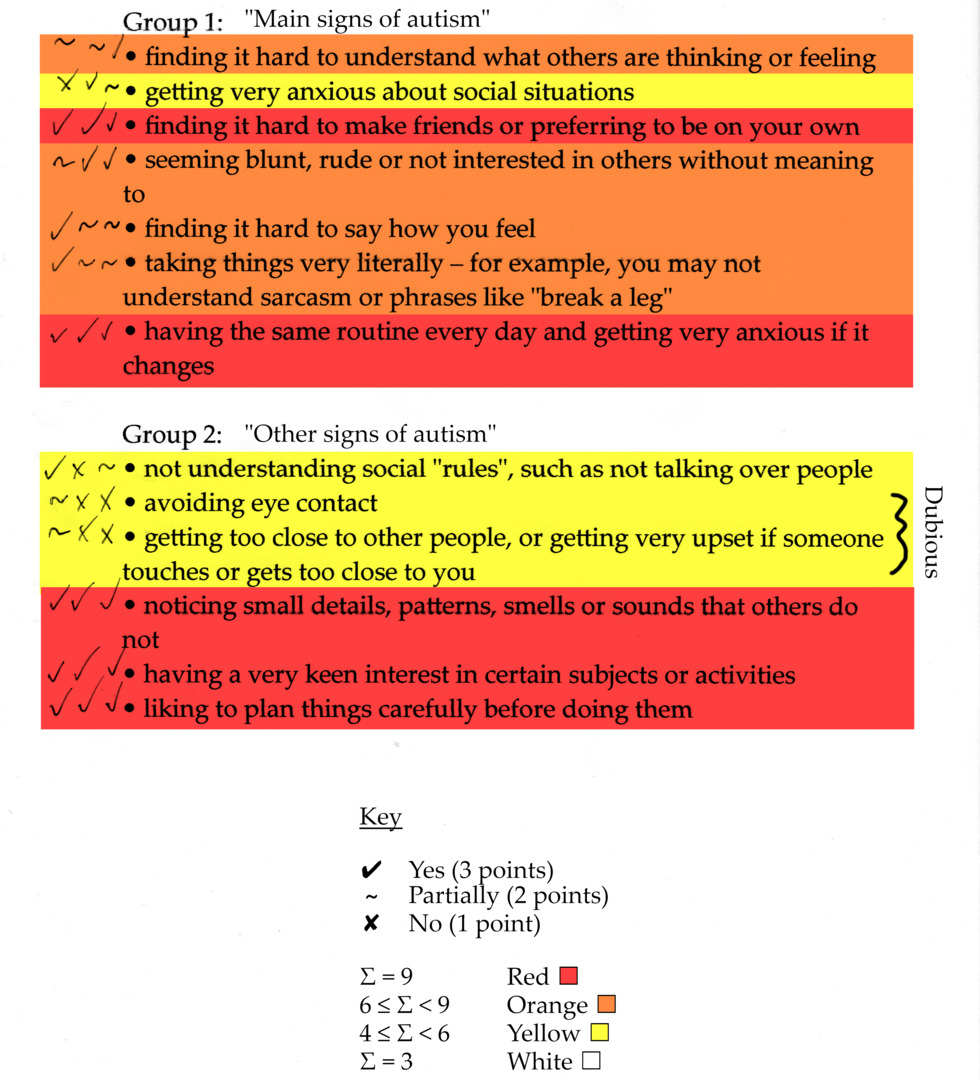
I still had some doubts, because my challenges did not always feel as serious as the ones I read about on the NHS website. For instance, I can understand sarcasm and non-literal expressions (e.g. ‘break a leg’ and ‘apple of my eye’) better than some. I can tell if someone is smiling, but more nuanced emotional insight is difficult for me. Eventually, I saw a YouTube video that addressed this exact issue in a humorous way, and I realised I was just experiencing imposter syndrome. From this point onwards, I began to see things differently. I started to wonder if maybe my lack of quality interactions was actually due to being neurodivergent (i.e. since birth).
Realising that my social struggles were more than just unfortunate circumstances, I decided it was time to seek professional advice.
Seeking a Diagnosis
Initial Consultation
I next went to my GP (general practitioner), i.e. the doctor who provides one’s regular medical care in the British health system, who agreed this was worth pursuing. They told me they'd send an e-mail with a questionnaire for me to fill in (AQ-10). If they still thought I might have autism after that, they would refer my case to the relevant organisation.
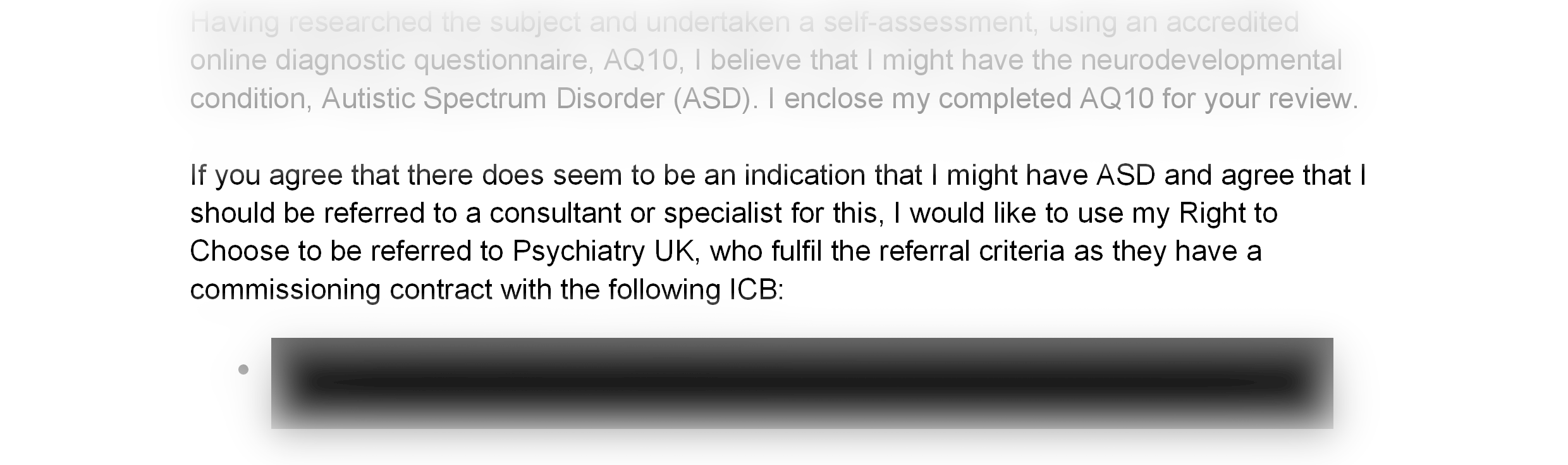
I encountered long waiting times and some administrative mix-ups—for example, at one point they sent me the wrong questionnaire. In the end though, I did fill in the questionnaire, and also a template of a letter they provided. This letter effectively gave my GP permission to refer my case (more precisely, it was framed in terms of exercising my Right to Choose under UK law). I was then left waiting again while the relevant body decided whether to put me on their waiting list. Unfortunately, I learned that the waiting list was years long—literally years.
Ultimately, the prospect of waiting years for an NHS diagnosis led me to explore private assessment options.
So You’re Thinking of Going Private?
I looked into getting an assessment done privately (outside the NHS), which would cost around £2,000 (about $2,650 at the time of writing). I don't have much income, only around £80 a week from a UK benefit called Carer’s Allowance (my living costs are low because I live with my parents). Thus, this fee would take up roughly six months of my income, before any other expenses.
For someone thinking about getting diagnosed in the UK, it is important to check if the NHS will accept the reports from the organisation you choose to see. Ultimately, it’s up to one’s GP surgery to decide whether to add the report to your medical records or not. Some doctors who diagnose autism also work with the NHS and will follow the NHS procedures privately, which can improve the chances that their reports will be accepted. The place I contacted also offered ADHD assessments and claimed they had never had a report rejected by the NHS to their knowledge, which is about the strongest claim they could make.
Around this time, I also tried an online autism assessment, which further reinforced my suspicions
High Autism Score Online
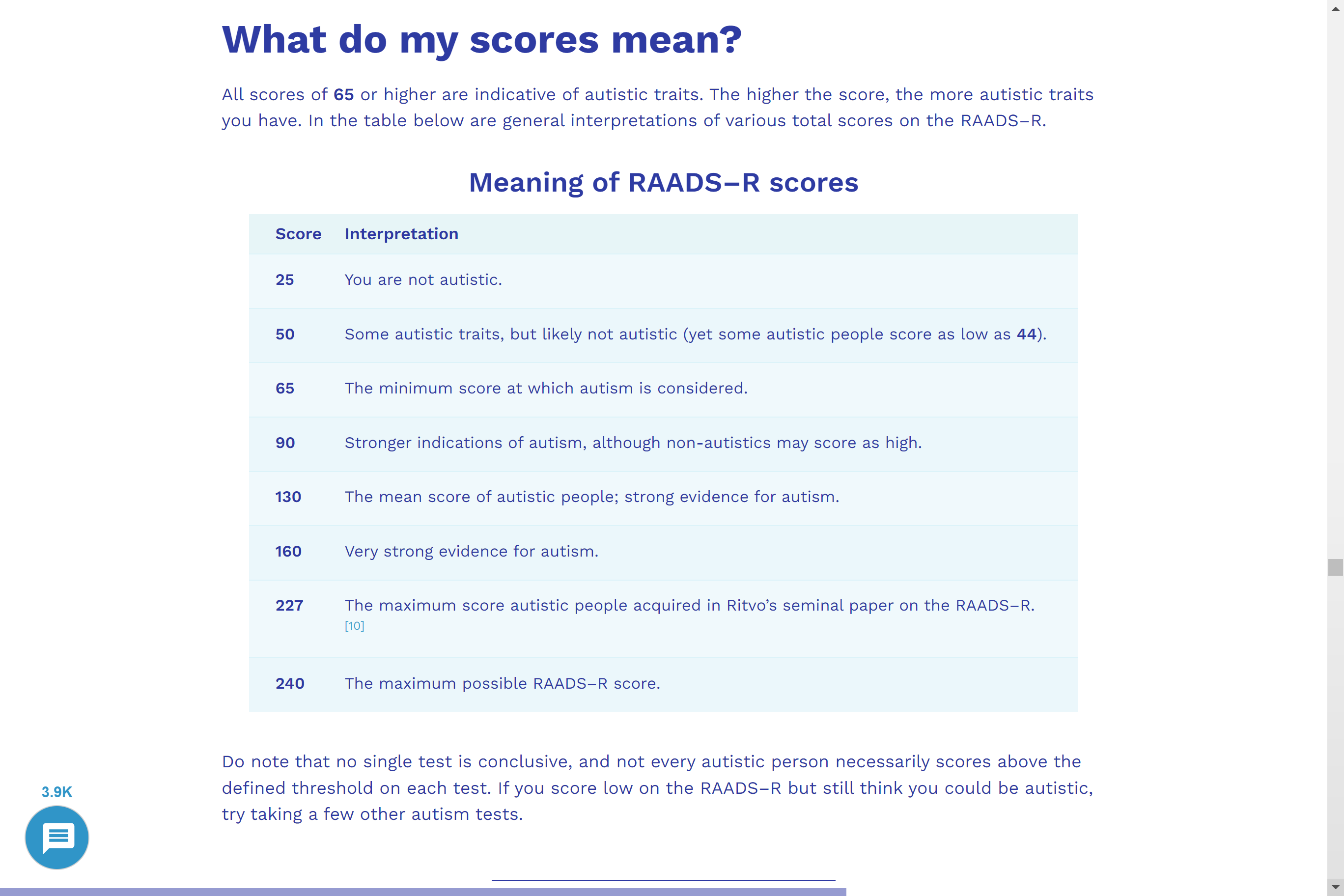
I took an online RAADS-R test (which you can find HERE ) and scored 127. For comparison, a typical score for a non-autistic person is around 30, and a score of 65 is where they might start to consider the possibility of autism. A score of 130 is average for autistic individuals. When looking at my subscale scores though, we can see that my results were uneven across the different areas:
Language subtotal: 15 / 21 (threshold 4)
Social relatedness subtotal: 76 / 117 (threshold 31)
Sensory/motor subtotal: 15 / 60 (threshold 16)
Circumscribed interests subtotal: 21 / 42 (threshold 15)
Notably, my sensory/motor score was below the clinically significant threshold. While this online test wasn't authoritative, it strengthened my belief that I might be autistic.
Before the Assessment
Supported by both professional advice and what I had learned online, I moved forward with the necessary preparations for a formal assessment. Fortunately, my parents helped me pay for a formal diagnosis. I first reached out to the clinic through e-mail, but I also spoke to them on the phone at various points. We arranged the payment, which required a £495 deposit, and I had to pay the rest at least a week before my appointment. I was surprised to get an appointment just two months later, which was much quicker than the NHS wait.
Before the assessment, I had to fill out several forms: a consent form, a personal details form, a pre-assessment form, and two autism screening forms (RAADS and CAT-Q). The personal details form was largely as you'd expect, but also asked about any developmental or mental health conditions in my family. The longest form to fill in was the pre-assessment form, where I had to share detailed information about my life experiences from childhood to now.
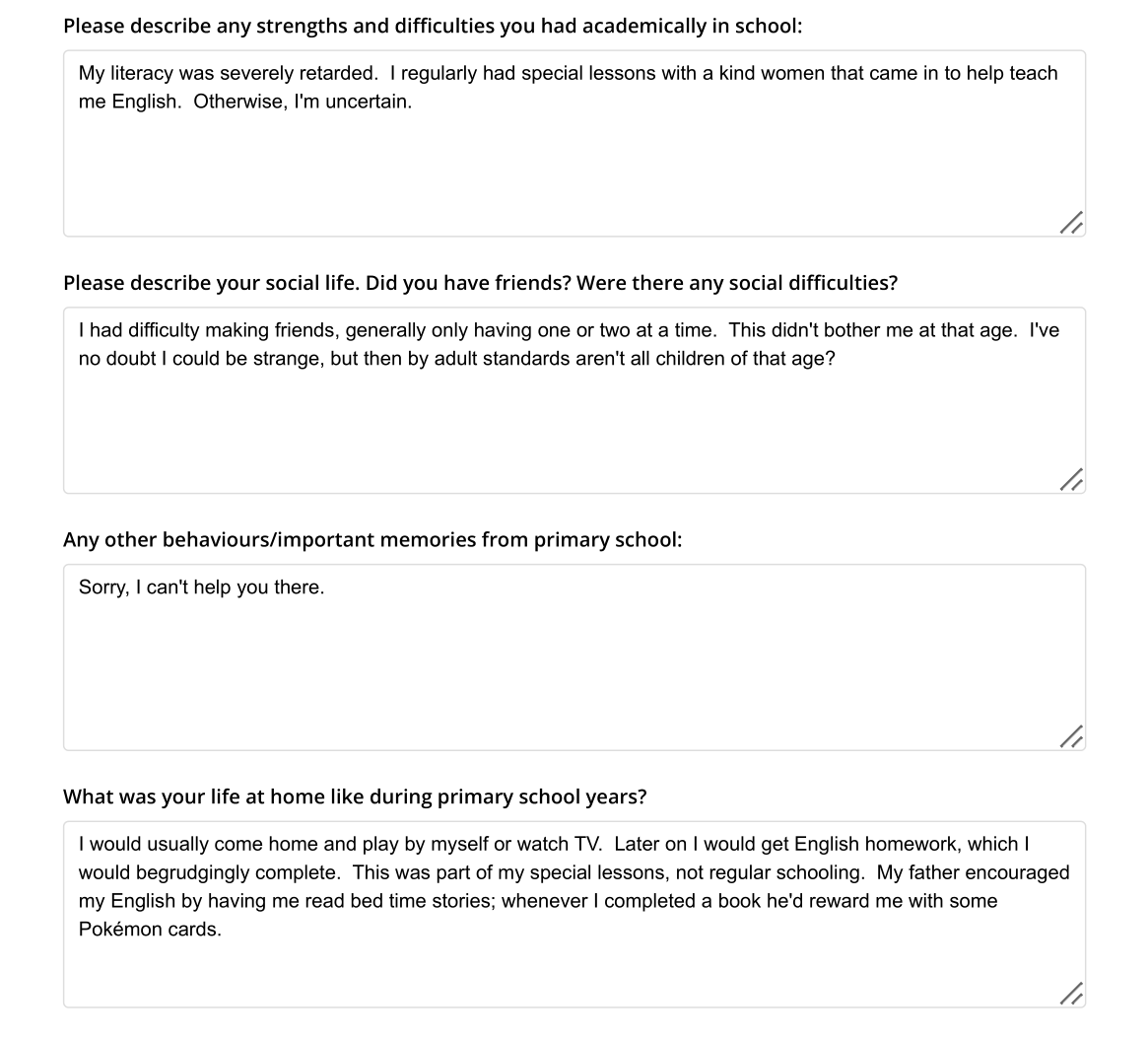
I received an information pack with documents about the terms and conditions, preparing for the assessment, and directions to the location. While all were helpful, the ‘Preparing for an Assessment’ document was the most interesting. It stated that I needed to both provide the centre with my school reports and arrange for someone who knew me as a child to be interviewed (following a procedure called ADI-R). The interview was online and lasted about an hour, though I did not participate in it myself.
As the assessment day drew closer, the more nervous I felt. At first, I really just wanted to know the truth—whether I have autism or not; but I started to find myself wishing for a positive diagnosis for a couple of reasons. First, no matter what, the struggles I've faced throughout my life are very real, and they still affect me. If I didn’t have autism, I would start to worry about what that means for me and what I should do next (what could I even do?). Second, while not everyone is familiar with autism, many people are, thus it’s a concise way to explain my needs. Without that label, how could I easily communicate my challenges and ask for the extra support I require? This video tries to humorously depict what for me would have been a nightmare outcome for the assessment.
After completing the extensive paperwork and preparing for the assessment both mentally and practically (for example, using Google Street View the day before to practise the route), the day finally arrived.
The Big Day
I could have had someone join me during my assessment, but I chose to go alone. Two professionals conducted my assessment: a Chartered Clinical Psychologist and a Speech and Language Therapist. They were both very kind. The assessment lasted about 90 minutes, followed by a 50-minute wait while they discussed my case.
During the assessment, they asked me many questions and had me complete various tasks. This didn't come as a surprise, as the information pack mentioned there would be activities. However, I did go in feeling worried that they would try to make me flustered in order to wear down my mask and observe the result.
I've been asked not to share too many details about the specific questions I was asked or the tasks I did, as it could influence how future autism assessments are carried out. If people prepare based on the things I say, it might make observations less reliable and invalidate assessments.
What I can say is that I enjoyed all the activities. Most of the activities were based around children’s toys or telling stories, and I never felt overwhelmed. My initial worries turned out to be unfounded.
Eventually, they called me back in and told me that they could diagnose me with Autism Spectrum Disorder (ASD) (specifically, I met the DSM-5 criteria, and the ADOS-2 and AAA assessments were carried out during the appointment).
I was given the opportunity to ask questions, and I asked many of them. Even though they evaluated me based on DSM-5 criteria, they didn’t assign me a support level. When I inquired about this, they explained that they don’t assign people a support level because everyone has different needs based on their circumstances. For example, if I wanted to work in law (which I have a degree in), I might not need much support, but if I were looking for a job in customer service, I might require more assistance. So instead of putting me in a category, they will help me by providing customised references for the specific jobs I apply for in the future.
They said I would receive a full written report in about two weeks, which would be a draft I could review. After I gave them my feedback, or two weeks later if I didn't respond, they would finalise the report and send it to my doctor. Then we said goodbye, and I left.
Following the assessment, I had time to reflect on what the entire process had taught me.
Reflecting on the Diagnostic Journey
Although the process was lengthy and complex, a few key lessons emerged:
-
It is a good idea to do one’s own research and then seek professional advice as early as possible.
-
One should be prepared for a lot of paperwork.
-
One should be prepared for either a lot of expense or waiting depending on whether you use the NHS.
-
Diagnosis is not just a label—it’s a step toward understanding your needs and accessing the right support.
While receiving a diagnosis brought clarity, the daily challenges of navigating social interactions remained.
Social Struggles and Feeling Like an Outsider
When I try to be authentically myself, it usually just drives people away. I was painfully reminded of this during The Incident with those Victorian-style letters (I’ve already mentioned The Incident above, and I wrote about it HERE ). I thought I was sharing a part of myself in a fun way. However, it seems that Esmeralda interpreted it as romantic interest, but she never told me this.
In response to these social challenges, I often find myself engaging in what's known as autistic masking—modifying my natural behaviours and expressions to meet neurotypical expectations, which can be both exhausting and emotionally taxing. The problem is, and I’ll touch on this again in ‘Difficulty Reading Social Cues and Emotions’, no matter how hard I try I can't seem to understand what others are thinking, or how my words and actions will affect them. My attempts at humour or compliments are often met with confusion or offence, especially amongst people that don’t know me. This in turn leaves me feeling confused. Furthermore, and I’ll discuss this more in ‘Reciprocal Conversation and Group Interactions’, amongst people that don’t know me I struggle to find any common ground on which to base a discussion. It’s as though I have a world view completely alien to them. People often avoid talking with me or find a reason to leave the conversation.
All this I perceive as an inability to connect with others. As a result, I feel like I’m on the periphery of any group, as if nobody would notice or care if I left. As I want to be liked, my attractions to certain things are influenced by others rather than always originating in myself. However, I find I often internalise these attractions, i.e. I start to take on little bits of someone else's interests in an authentic way. This can be tough, especially if that person ends up rejecting me, which has happened before. That new interest then becomes a reminder of a lost friendship.
There is a term ‘masking’ which refers to learned behaviours intended to disguise one’s autism in order to fit in. Examples include: forcing eye contact, suppressing stimming behaviours (I’ll discuss what those are later), rehearsing social scripts, mimicking others’ expressions, and either hiding or feigning interest in certain topics. Some readers might find it darkly humorous that ‘unmasking’ is often seen as a major goal of autistic people, because it reduces stress and emotional strain. You can probably imagine that this would not work well for me.
I’ve never had a job. I’ve always wanted to create my own success instead of taking a traditional job as that would depend on getting on well with others. I started by trying to make a video game and then later moved on to streaming, but things haven't gone well. I aspire to financial independence.
These challenges in understanding others often lead to heightened anxiety—a theme that runs through many aspects of my experience.
Anxiety and Emotional Struggles
After years of rejection, social situations have become a source of significant anxiety. I suspect I experience something called ‘rejection-sensitive dysphoria’. This is a tendency to anxiously expect, quickly notice, and strongly overreact to any rejection or possible rejection. I think this might be true for me for several reasons:
• I find even small rejections among strangers very hard to bear;
• I get very anxious whenever I get the slightest sense that I might have upset someone, such as when someone takes a long time to reply, or when many comments on a post get a lot of replies but my comment in particular is ignored; and
• I can be very eager to please.
The struggle to connect with people sometimes makes me feel painfully lonely.
In addition, I feel anxious when I have to answer simple questions like ‘how are you?’. Giving a quick answer feels fake to me, especially when I'm having a hard time. I often struggle to know what to say or do in social situations. In those moments, I attempt to think logically about the right thing to say. However, this approach causes me to lose touch with my feelings, disconnecting me from the moment. Then, right after being 100% sincere, I notice that I'm putting on a bit of an act (‘keep eye contact, smile, was that a joke? should I laugh? keep eye contact! etc.’) This can be really stressful, especially when someone is opening up to me or looking for support.
I get anxious when someone needs emotional support because I often feel at a loss for what to say or do. I really want to help, even with strangers —I’d go out of my way to help a stranger if I believed I could make a difference— but I struggle with what to say or do, no matter how close the person is to me.
Beyond emotional challenges, maintaining a stable routine and managing sensory input are vital parts of my coping strategy
Routines, Sensory Issues, and Comfort Zones
I find a lot of comfort in routines and disruptions make me anxious. Being away from home for too long, like when I visit family or have a busy day out, can make me feel stressed, and I often feel a sense of relief when those plans are cancelled. All of this makes me prefer staying at home. On the other hand, at times in my life I have enjoyed taking daily walks. I know the route very well, there are no tricky social situations to navigate, and it fits nicely into my day in a structured way. My point is that I don’t have a fear of outdoor spaces.
When I was young, I noticed that I found it harder than my peers to understand what people were saying in noisy places and also struggled with understanding people who had strong accents that I wasn’t used to. I thought I just had poor hearing. As I got a bit older, I noticed that I was usually the first to hear quiet sounds in a room, which made me realise my hearing was actually fine. The problem was more about how my brain processes information. I had more difficulty separating different sounds in my head compared to others. I later learned that having trouble ignoring background noise is a common sign of autism.
However, as far as I know, I don't have Sensory Processing Disorder (SPD) in any serious way (if at all), even though it often occurs in people with autism. SPD refers to various challenges that happen when the senses don't react to the world in the way we would expect, such as being too physically sensitive, not sensitive enough, or just generally malfunctioning. However, I do find I am clumsy and have slow reactions, which is linked to autism and SPD. I also really dislike bright lights and loud noises, as well as ‘busy’ sights or sounds in an informational sense (e.g. rapidly changing or confusingly layered). I wear earplugs when in noisy environments. In my case though, part of the reason is that I get migraines (a disorder that causes very bad headaches), and I've noticed that those kinds of sights and sounds can trigger them. That said, even if I didn’t get migraines, I still think I’d find those sights and sounds overwhelming.
While routines and sensory regulation help ground me, my ways of thinking and communicating add another layer of complexity to my daily interactions.
Communication and Thinking Differences
Overthinking
I often find it difficult to settle on a single choice—even something as simple as picking a favourite. What might be best in one situation could be less ideal in another, so I tend to consider every detail rather than oversimplify. For example, during my autism assessment, I was asked to explain why people do something in just a few words (I sadly cannot remember what the example was), and I couldn't do it! I felt it was like being asked why people kill one another, which would need a lot of explanation to cover both war and murder. It's too complicated to sum it all up in a few words. Choosing favourites feels the same way. So when someone asks for my favourite video game, I often end up giving them a whole list instead. I also tend to be quite attentive to details, spotting things that others don’t (this isn’t bragging, it’s in my autism assessment report), and people sometimes accuse me of ‘overthinking’.
This tendency to analyse things in great detail is connected with my way of processing language—I often take words at face value, which makes understanding unspoken social rules and subtle cues all the more challenging.
Understanding Unspoken Social Rules & Literal Thinking
I try really hard to be a good person and to do what’s right, yet I often end up upsetting people. I believe this happens because so many social rules are unspoken—if they aren’t clearly explained to me, I simply don’t know they exist. It can be even more confusing when you ask different people about what's right and what's wrong and get completely different answers (which has happened to me). This becomes even more difficult because I tend to think in a very literal way.
For example, one Christmas, I was asked to set the dining table, and the person in charge told me to make sure the table was completely clear because they wanted a jug of water in the middle. I followed those instructions and sat down when I was done.
Just before we were about to eat, that person came back and yelled at me for not putting the jug of water on the table. I really don’t like loud noises, and especially being shouted at. I pointed out that nobody had asked me to put the jug on the table, and I would have done it happily if they had. Some people nearby agreed with the person yelling at me, saying I had been asked, which confused me even more.
I explained that the situation did not make sense to me. It took a long time to clear and set the table, but putting a jug of water there would only have taken 30 seconds. Why would I do the difficult part and leave out the easy part, especially when it would be obvious that I didn't do it? They suggested it was because I was lazy.
This happened before I was diagnosed with autism. Looking back, I think it was a case of autistic literal thinking. When they said they ‘wanted’ a jug of water on the table, it was their way of asking me to do it without saying it directly. Unfortunately, being yelled at made me feel bad for the rest of the day, so I didn’t enjoy Christmas that year.
I frequently need clarification when someone is vague, even if the meaning seems obvious to others. Sometimes this makes me feel stupid. I recall getting in trouble at school for ‘not doing my work’ when, in reality, I was simply overwhelmed by unclear instructions. If I only notice something was unclear after the person has left, it can really stress me out. It’s hard to feel relaxed afterwards because I feel like there's still something important I need to do.
While the struggle to decode unspoken rules and vague language is one challenge, I also struggle with understanding others’ thoughts and emotions.
Difficulty Reading Social Cues and Emotions
Other people's minds are a complete mystery to me. No matter how hard I try to see things from their perspective, I just can’t grasp how my words or actions impact them; putting myself in somebody else’s shoes doesn’t work. For example, I have no idea what someone might be thinking as they read these words. Overall, reading a room or picking up on subtle social cues remains a significant challenge.
It's important to note that these difficulties aren’t one-sided. There's a concept called the ‘double empathy problem’, which suggests that misunderstandings occur because both autistic and neurotypical people struggle to interpret each other’s perspectives. Just as I struggle to interpret neurotypical thoughts and feelings, neurotypical people often miss the nuances in my expressions and misunderstand my intentions. This is not just a one-sided issue—it is a mutual misunderstanding caused by different ways of thinking and expressing ourselves.
Acceptable Language and Opinions
As a quick aside: within the autistic community there is very much an attitude that autistic people are different, not broken. This makes sense as a way of protecting self-esteem and self-worth. It is usually presented as: ‘our problems don’t stem from ourselves, but from living in a world designed for and by neurotypical people’. Those that present autism as something undesirable, even autistic people who don’t like their own autism, will often be dæmonised. I don’t agree with this intolerance, but I describe it here.
Similarly, I’ve observed other rules in the autistic community, such as: always using ‘identity-first’ language (autistic person) over ‘person-first’ language (person with autism); and not using the term ‘high functioning’ as it can hide how much someone struggles, focusing only on how they seem on the outside, instead preferring ‘low support needs’ which makes a general statement about the level of help an autistic person needs. Again, I don’t necessarily agree with the intolerance, I think it is exclusionary and undermines the valid opinions and personal preferences of the many autistic people who disagree, but I describe it here.
Reciprocal Conversation and Group Interactions
My difficulties reading social cues and emotions affect my interactions in conversation, where the back-and-forth flow of dialogue can be especially perplexing—I frequently don’t know what to say, especially during small talk. While I appreciate the function of polite greetings like ‘How are you?’ or a chat about the weather, I become frustrated when conversations seem trivial or when they wander without any clear purpose. Sometimes, even a simple honest answer makes others think I’m trying to opt out of the conversation, while attempts at humour or compliments can be met with confusion or offence.
In group conversations, it can become very confusing when people use references or language that I am not familiar with. This even happens when they are around my age and share a similar background. I try hard to follow what’s being said, but often I struggle and stay quiet until I feel I can jump back in without feeling alienated. Sometimes, I find it hard to understand jokes, sarcasm, or things said indirectly. While I can get sarcasm and hidden meanings if they use phrases I already know, new or unfamiliar expressions confuse me. I might take them at face value or realise there is a deeper meaning, but I won’t really know what it is.
I’ve also been told that I can come across as blunt to the point of rudeness. For instance, when I was at university I once told a housemate that they were right for the wrong reason, and they told me I was very arrogant.
I also find it hard to start or keep conversations going. With most people who aren't close friends or family, I try to chat, but they often seem bored or seem to think that I am acting strangely. It feels like I can’t find common ground to talk about, or that my perspective is completely alien to them.
Finally, I tend to be overly trusting and don’t have a different way to treat strangers compared to friends. This has led to people considering me disrespectful when I’m trying to be playful. Oversharing can also be a problem.
Not all communication challenges are confined to spoken dialogue; writing and indirect communication pose their own obstacles.
Difficulties with Written and Indirect Communication
You might assume that text-based communication would be easier, because you only need to read words and do not have to interpret body language or facial expressions. However, that is not the case. In fact, the hidden meanings in text can be even trickier to pick up on. Inside jokes and subtle hints often go over my head. For instance, if someone replies with a vague ‘lol’ (laughing out loud) or a short response, I might struggle to determine whether they found something funny, were being sarcastic, or simply didn’t care to continue the conversation. Furthermore, it stresses me out when I’m writing because people will add their own interpretation to what I am saying and imagine emotions or a definite opinion that I never intended.
Finally, these difficulties in communication are intertwined with my personal style of expression.
Communication Style and Self-Expression
My English tends to be very precise and formal, even when speaking with close friends and family. This has created problems when people have focused only on the main idea of what I am saying and have missed important details. In my autism assessment report, they described me as having ‘creative and interesting vocabulary’. This was listed as a personal strength.
I often find it hard to start a topic and then leave it—once I begin a thought, I feel compelled to see it through, sometimes dragging conversations back to earlier points. I also tend to under-communicate; I rarely ask for help or share what I’m up to. I'm not sure why; I just don't feel the urge to do it, and it doesn’t cross my mind. This only adds to the misunderstandings that arise from my communication challenges.
In addition to challenges with language and social cues, I also experience involuntary behaviours, some of which may have developed to help me manage overwhelming moments.
Stimming and Unconscious Movements
The term ‘stimming’ refers to a way for people to cope with feeling overwhelmed by engaging in repetitive self-stimulating behaviour to block out less predictable environmental stimuli. I often pace around in circles to calm myself and focus my mind, which I assume is a form of stimming. In the report that came out of my autism assessment I was informed that I sometimes engage in rubbing my hands and fingers or holding them in certain postures to soothe myself. I didn’t know I did that, but I’m not surprised.
I experience other unconscious movements too. I often get so lost in my thoughts and daydreams that I don’t notice what’s happening around me, and my hands start to move on their own. It took me a while to realise this because I get so absorbed in my own thoughts that I won't even see my hands moving, but eventually people around me noticed and pointed it out to me when I was a child. Furthermore, when I picture some kind of action in my mind, my body tends to imitate that action too, especially with my hands. For instance, when I was a child watching Dragon Ball Z, if I imagined throwing a punch, my hand would sometimes jerk forward without me thinking about it, but it wouldn't be a good punch (too weak and poorly coordinated). This is an entirely unconscious process, almost as though the brain is supposed to inhibit certain motor pathways during vivid imagination but is failing to do so correctly for some reason. In a similar vein, people have also said that I ‘talk to myself’, but I'm really just unconsciously saying out loud what I’m thinking. It happens automatically, and I can’t stop it.
Yet, not all aspects of autism present challenges; some also contribute to my unique personality, including my deep special interests and distinctive choice of clothes.
Special Interests and Dressing Differently
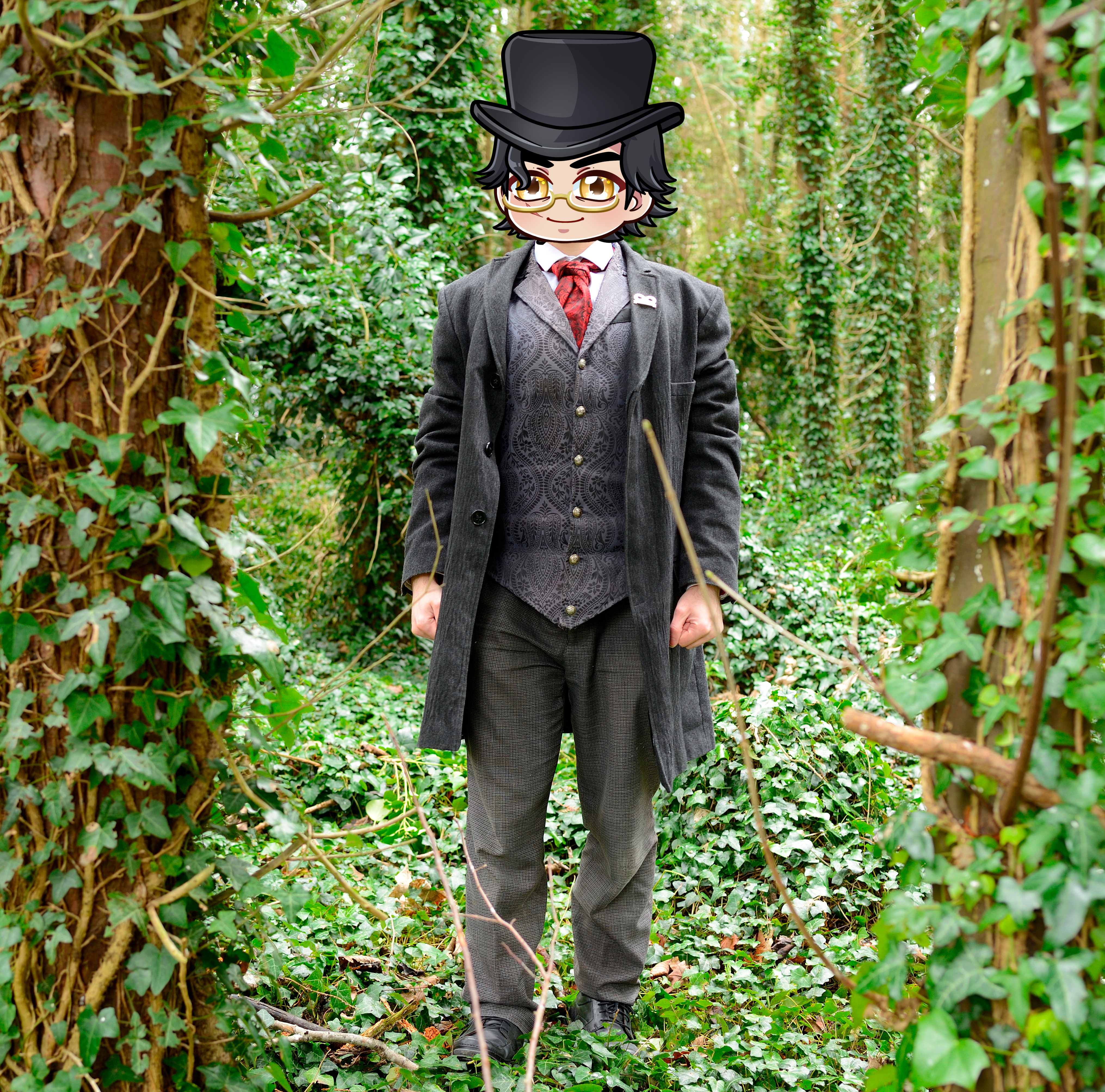
I do have special interests. These interests are different from ordinary hobbies; they are much more intense and often take up a lot of my free time. I can get really focused on certain topics or activities, which might seem obsessive to others. For instance, I’m passionate about learning about the Regency, Victorian, and Edwardian eras, and I also want to learn Japanese, even though I'm not very good at it. My interest in the periods mentioned above is both historical and cultural. I love studying important events and figures. I admire these periods’ polite refinement, structured way of life, and emphasis on mutual respect. I also love the fashion and art from those periods. I even dress in a more old-fashioned style, and I’ve been doing this for a long time, well before I was diagnosed. This kind of non-conformity is typical for me; I tend to be quite independent in my thinking, which is in addition to struggling with understanding unspoken social rules. I understand this is quite common amongst autistic people.
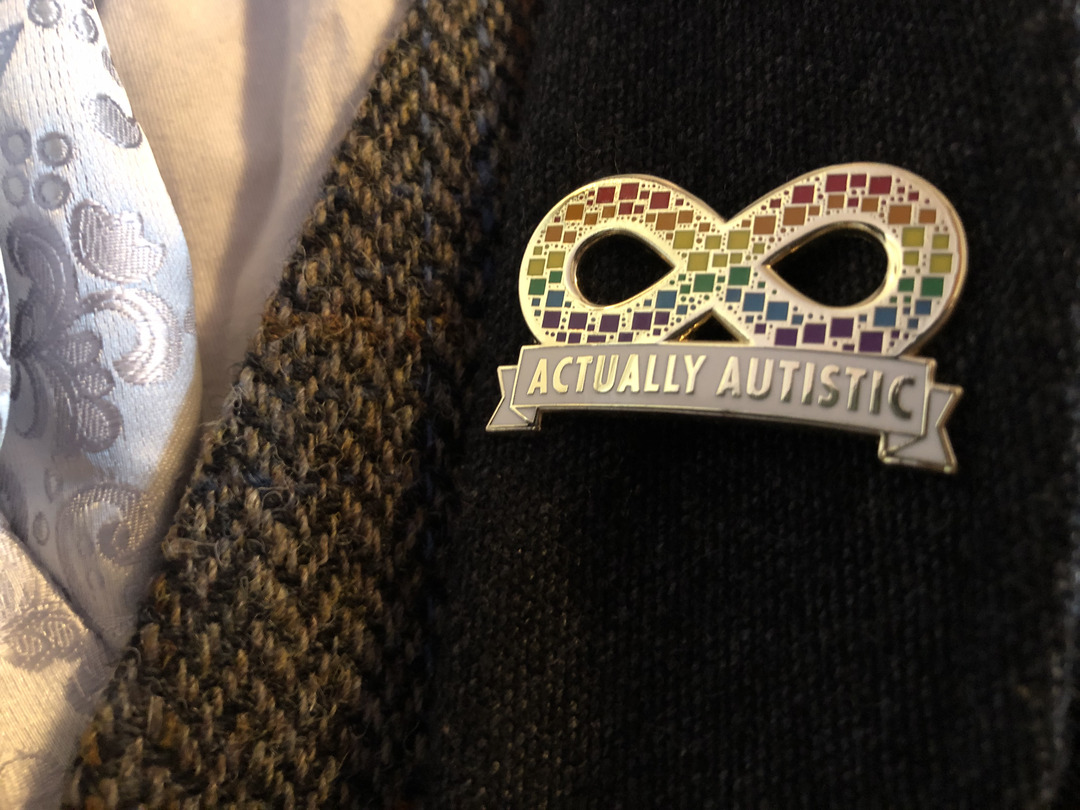
All of these experiences have shaped my life, and sharing them is my way of inviting understanding and practical support. In the conclusion, I outline some ways neurotypical readers can help create a more inclusive environment.
Conclusion: Understanding Autism and How You Can Help
Autism is often invisible, and neurotypical people may not notice how much effort it takes to navigate social situations. From my own experience, I've faced public humiliation and been called horrible names because people didn't understand me or my intentions. From sources I’ve seen online, I can honestly say that this is sadly very common; it is, unfortunately, quite typical. When people don't understand someone, they often assume the worst. This causes deep emotional scars, and makes it harder for autistic people to form close relationships, often leading to painful loneliness.
Autistic people need patience and understanding. Frequently, they don’t realise when they’ve breached a social norm, so clear and direct explanations are incredibly helpful. Autistic people, myself included, tend to feel very strongly about ensuring things are fair and just. Harsh judgement of honest mistakes—made without bad intent—cuts deeply. Therefore, it would be greatly beneficial to the autistic community if others did not assume bad intent straight away.
If you’re neurotypical, you can make a world of difference in supporting autistic individuals during social interactions. Here are a few suggestions:
-
When offering feedback, be specific and kind; instead of hinting that something was off, explain what could have been done differently.
-
In conversations, use clear, direct language rather than relying on subtle cues or implied meanings. Even small adjustments in your communication style can go a long way toward fostering understanding.
-
Check in periodically to ensure that social cues are being correctly interpreted.
-
If you’re ever unsure, please feel free to ask how the other party prefers to interact—remember, every autistic person is different.
-
Keep in mind that what appears obvious to you might not be so for an autistic person, or vice versa.
-
Also, remember that if an autistic person misses certain social subtleties, it isn’t intentional rudeness or aloofness.
-
In text-based communication, consider using tone tags.
-
Respect routines and sensory needs: recognise that changes or overly stimulating environments can be particularly stressful.
-
If you have the time, educate yourself about autism—the more you learn, the better you can understand the challenges autistic people face and guide your interactions.
If you’ve made it this far, thank you very much for reading.
Educational Resources and Support
General Information
-
Information and Advice from the NHS (UK) about Autism.
-
The online RAADS-R test I took.
YouTube
These were two of the first videos I ever saw about autism. I think they express well the daily struggles of an autistic person, but shy away from actually giving concrete examples from their lives.
-
Autism and the Emotional Toll of Self Hatred and Daily Burdens by Orion Kelly - That Autistic Guy
-
Why are autistic people always misunderstood? by Morgan Foley
Here are a couple of videos about the Double Empathy problem specifically:
-
How Does Autistic Empathy Work? (Autism, Double Empathy) by Autistamatic
-
Why High Masking Autistics are Misunderstood: Double Empathy and Autism by Chris and Debby
I’ve heard good things about these channels (and will probably get around to watching their content myself in the near future):
-
I'm Autistic, Now What? ; I’ve been told that her older videos are more informative than her newer ones, but I can neither confirm nor deny this myself.
Organisations and Online Groups
Just a heads up: I don’t have direct experience with these organisations, so I can't personally promise anything about them.
-
Autism Central : Aims to help parents and carers of autistic children, young people, and adults understand autism better and find available services.
-
Autism Centre of Excellence : The Autism Centre of Excellence in Cambridge is a charity that focuses on using science to support autistic individuals. They work alongside Cambridge University’s Autism Research Centre to make sure autistic people have better access to quality support and to help eliminate the barriers and negative attitudes they face.
-
The Autism Mentor : Mental health social workers offering tailored support to autistic individuals, assisting them in building important life skills and achieving their goals. This service requires payment.
-
Autism Self Advocacy Network : An autism advocacy group working to support autistic rights, promote autistic culture, and offer resources like educational tools, and leadership training for autistic individuals who want to speak up for themselves.
-
Autistica : A UK charity that focuses on research into autism and supporting autistic individuals.
-
Cass Counselling : A counselling and coaching service in the UK that specialises in helping people with neurodiverse traits, like autism and ADHD. It also offers support to their families, friends, teachers, and others who play a crucial role in their lives.
-
CBT Register UK and Ireland : A directory for finding private cognitive behavioural therapists in the UK and Ireland. CBT may be of special interest to those with autism as it can be used to improve our understanding of our emotions and associated thoughts and teach us ways to manage these differently.
-
Enna : A UK-based company that aims to assist neurodivergent people in finding fulfilling jobs with supportive companies. They also help these companies hire and include neurodivergent individuals by providing special services focused on inclusion.
-
The Counselling Directory : A directory for finding private counsellors and therapists in the UK.
-
National Autistic Society (NAS) : Provides a wealth about autism for autistic people and their families. This includes information about what reasonable adjustments one can expect in UK workplaces under the Equality Act (2010), information about the autism health passport as developed by Baroness Angela Browning, and an autism specific good practice guide for therapy.
-
r/Neurodivergent : A subreddit focused on issues, challenges, and experiences that neurodivergent people can understand and relate to. Recently I’ve been spending a lot of my time there.
-
Society for Neurodiversity : A neurodiversity advocacy group offering support to neurodivergent individuals and their families and allies; social, creative, and therapeutic services; as well as a friendly community where people in need are welcomed and supported.
-
Spectrum : Provides news and insights into autism research, and helps scientists and clinicians collaborate.
-
Talk about Autism : An online community for parents and carers of autistic children and autistic young people.
Blogs
-
Musings of an Aspie : One woman’s thoughts about life on the spectrum.
-
Neurodivergent Insights by Dr. Neff: Dr. Neff is a psychologist, parent, and teacher who has Autism and ADHD. She makes mental health and wellness resources specifically for people like her.
Books
-
An Adult with an Autism Diagnosis: A Guide for the Newly Diagnosed by Gillian Drew
-
Autism and Everyday Executive Function by Paula Moraine
-
Autism in Adults by Luke Beardon
-
Been There, Done That, Try This! An Aspie’s Guide to life on earth by Tony Attwood
-
Born on a Blue Day by Daniel Tammet: This is an autobiographical work about the author's early life in Britain. He talks candidly about having Asperger syndrome (now known as ASD) and savant syndrome, explaining how these have shaped his life. He also explores his relationship with numbers, language, and synaesthesia.
-
Pattern Seekers by Simon Baron-Cohen
-
Taking off the Mask by Hannah Belcher
-
The Autistic Brain by Temple Grandin
-
Uniquely human: A different way of seeing autism by Barry Prizant
-
Unmasked: The Ultimate Guide to ADHD, Autism and Neurodivergence by Ellie Middleton
-
Unmasking Autism. The power of embracing our hidden neurodiversity by Dr Devon Price
-
The Reason I Jump: one boy's voice from the silence of autism by Naoki Higashida: This book, written by a Japanese nonverbal autistic teenager, shares the author's experiences to help readers understand what living with autism is like. It focuses on differences in ways of thinking and the misunderstandings that can result.
-
This is Amiko, Do You Copy by Natsuko Imamura (Author), Hitomi Yoshio (Translator): A fictional story about a Japanese girl with good intentions but no sense of boundaries. She sees the world in her own way and doesn’t understand how her behaviour affects those around her. This work explores themes of belonging and loss.
-
Why Johnny Doesn't Flap: NT is OK! by Clay Morton and Gail Morton: A children's book that aims to help autistic children understand why their neurotypical friends behave in certain ways.
Documentaries
-
Chris Packham – Inside Our Autistic Minds (BBC)
-
Christine McGuinness – Unmasking my Autism (BBC)
Podcasts
-
1800 Seconds on Autism
-
The Late Discovered Club
Research
-
Damien Milton’s work on the double empathy problem.
Courses
-
Cambridge Regional College : a college in the UK that offers a variety of courses. Many of these courses are taught online and are free for learners who are over 19 and earn below a specific amount. They include subjects like understanding autism and mental health awareness.
Online Tools and other Adjacent Resources
-
An explanation of tone tags by @ranlaugh on Twitter.
-
Goblin Tools : A set of easy-to-use tools that help with specific tasks (have a look; it’s simpler to see than to explain.) While they were mainly made to support neurodivergent people, anyone can benefit from them.
-
Headspace : a meditation and mindfulness app. While you shouldn’t expect too much I would recommend their ‘Handling Sadness’ course and their ‘sleepcasts’.
-
Loop Switch 2 Adjustable Ear Plugs : These are earplugs I use. They are comfortable to wear for long periods, and can be adjusted (20-26 dB SNR) so you can set them to a level where you can still hold a conversation easily or have them block out a lot more noise.
-
Mind (National Association for Mental Health) : A mental health advocacy group offering information, advice, and local services in the UK.